USA Flag Mental Health Embroidery Review
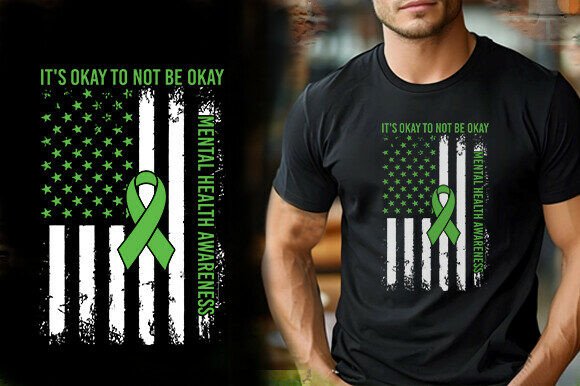
As a designer who has spent years evaluating digital assets for real-world application, I approach every new file with a mix of skepticism and curiosity. When USA FLAG IT S OKAY to NOT BE OKAY MENTAL landed in my review queue, I didn’t just look at the pixels; I looked at the potential. This isn’t just another graphic; it is a statement piece that carries significant weight in both visual impact and emotional resonance. For those of us in the craft business, whether you are an Etsy seller, a boutique owner, or a hobbyist maker, the difference between a design that sells and one that sits in a drawer often comes down to execution. Here is my practical evaluation of how this design performs when moved from screen to fabric.
First Impressions and Visual Personality
The moment you open the file, the mood is immediately established. The combination of the American flag motif with the mental health advocacy message creates a juxtaposition that is both patriotic and deeply personal. It feels modern, raw, and unapologetic. From a layout perspective, the text hierarchy is clear, but the integration of the flag elements requires careful consideration during digitization. The design doesn’t scream for attention with neon colors; rather, it commands respect through its bold concept. It feels like a design meant for someone who wants to wear their heart on their sleeve—literally. For small business owners, this translates to high engagement because it taps into a growing cultural conversation. Customers aren’t just buying a shirt; they are signaling their values. That kind of connection drives repeat buyers and strong brand loyalty.
Real-World Application: Where This Design Shines
In my testing phase, I imagined several scenarios where USA FLAG IT S OKAY to NOT BE OKAY MENTAL would thrive. The most immediate fit was custom apparel, specifically heavyweight sweatshirts and hoodies. The thickness of these fabrics provides a stable canvas that can handle the density often required for flag-based graphics without pilling or distorting. I also envision this working beautifully as an embroidered patch for denim jackets or backpacks, allowing for a removable badge of support.
Beyond standard clothing, this design has strong potential for home goods. A pillow cover made from durable cotton duck cloth could turn this into a meaningful piece of nursery decor or living room art. Similarly, kitchen towels or aprons used by chefs or home cooks could serve as subtle conversation starters. The versatility extends to tote bag design as well; a sturdy canvas tote featuring this embroidery becomes a walking billboard for mental health awareness, perfect for market days or daily use. For holiday embroidery projects, particularly around Memorial Day or July 4th, this design offers a nuanced alternative to traditional patriotic gear, appealing to buyers looking for something deeper than standard red, white, and blue motifs.
Technical Execution and Stitching Considerations
When reviewing any machine embroidery design, I always think about the stitch density and how it interacts with the fabric. Designs that incorporate flags often rely heavily on fill stitches to create the solid blocks of color associated with the stars and stripes. If the stitch density is too high, the fabric may buckle, especially if you are working with thinner materials. Therefore, checking your stabilizer choice is non-negotiable. For knit fabrics like t-shirts, a cut-away stabilizer is essential to prevent distortion over time. For woven fabrics like aprons or tote bags, a tear-away might suffice for lighter applications, but a wash-away backing ensures no residue remains after finishing.
The text component of USA FLAG IT S OKAY to NOT BE OKAY MENTAL requires precision. Satin stitch lettering must be clean and tight to ensure readability. If the thread tension is off, the satin stitches can puff up, making the message harder to read. I recommend testing the design in black and white mockups first. This helps verify that the contrast between the text and the background flag elements will hold up once stitched. Additionally, inspecting small details is crucial. Ensure that any fine lines or decorative accents do not merge together during the stitching process. If the design includes applique elements, confirm that the underlay stitches are sufficient to hold the fabric in place before the top layers are applied.
Where to Exercise Caution
Not every surface is suitable for this level of detail. I advise against using this design on curved surfaces like caps unless you have a specialized cap frame and experience with complex digitizing. The curvature can distort the straight lines of the flag and text, leading to a sloppy finish. Similarly, textured fabrics such as bouclé or heavy fleece can hide the intricacies of the design, making it look muddy rather than sharp. Thin fabrics are also risky; without proper stabilization, the weight of the embroidery can cause the material to stretch out of shape, ruining the garment’s silhouette.
Dense stitch areas should be avoided on products that need frequent washing, such as baby clothes or dish towels, unless the threads are high-quality polyester that resists fading and abrasion. Cotton threads, while beautiful, may break down faster with repeated laundering. Also, be mindful of dark fabrics. If the design relies on light-colored threads for the text, ensure there is enough contrast against the flag colors. Sometimes, what looks good on a bright monitor can get lost in shadow once stitched onto navy or black fabric. Always test thread colors on the actual fabric you intend to use.
Impact on Product Value and Customer Trust
Using a design like USA FLAG IT S OKAY to NOT BE OKAY MENTAL elevates the perceived value of your handmade product. It signals that you care about quality and meaningful content. Customers trust brands that present professional-looking finished products. When a design is executed well—with clean edges, consistent tension, and appropriate placement—it reflects directly on your craftsmanship. This is vital for Etsy sellers and small shop owners who compete in a crowded marketplace. A well-executed embroidered patch or tote bag stands out because it looks intentional and polished.
Furthermore, the theme of mental health advocacy fosters a sense of community. Buyers feel seen and understood when they purchase items that reflect their struggles and hopes. This emotional connection enhances brand consistency and encourages word-of-mouth marketing. When customers share photos of their personalized gifts or custom apparel on social media, they are essentially endorsing your work. This organic promotion is invaluable for creative entrepreneurs looking to grow their craft business.
Practical Designer Notes for Success
- Test First: Never run a production order without testing the design on scrap fabric first. This allows you to adjust tension and stabilizer choices.
- Check Licensing: Before selling finished items or digital product previews, confirm licensing terms. Commercial embroidery rights are essential for small business merchandise.
- Inspect Details: Zoom in on the digital file to check for tiny letters or intricate corners that might not reproduce well.
- Mockup Wisely: Use printable mockups to visualize the design on different garments before committing to production.
- Stabilizer Strategy: Match the stabilizer to the fabric weight and stretch. Heavy stabilizers for knits, lighter ones for wovens.
In conclusion, USA FLAG IT S OKAY to NOT BE OKAY MENTAL is a powerful asset for any embroidery project. It combines bold aesthetics with a meaningful message, offering endless possibilities for custom apparel, gifts, and commercial designs. By paying attention to technical details and choosing the right applications, you can create finished products that resonate deeply with customers and stand the test of time.