Retro Ice Cream Cartoon T Shirt Design Review
As a designer who spends more time staring at stitch density charts than actual ice cream cones, I approach every new asset with a mix of skepticism and curiosity. When Retro Ice Cream Cartoon T Shirt Design landed on my desk, I didn’t just see a cute graphic; I saw a potential commercial product waiting to happen. The description promises "fun summer vibes" and a playful aesthetic, which sounds simple enough, but in the world of machine embroidery, simplicity is often where things go wrong if not executed with precision. This review breaks down how this design holds up when moved from screen to fabric, specifically for those of us running small shops, crafting for Etsy, or creating custom apparel.
First Impressions: Mood and Visual Personality
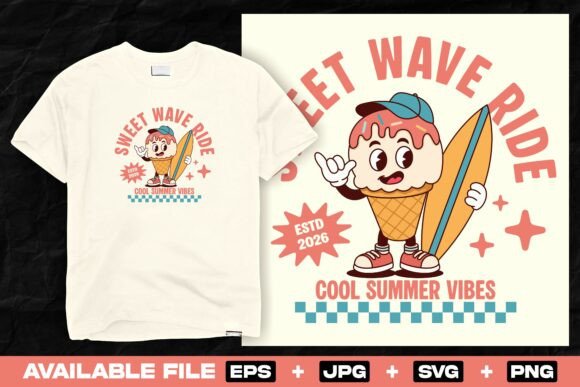
The moment you look at Retro Ice Cream Cartoon T Shirt Design, it communicates a very specific nostalgia. It isn’t trying to be modern minimalism or high-end luxury. Instead, it leans into that warm, fuzzy feeling of late-summer afternoons and beach days. The character holding a surfboard adds a narrative element—it’s not just food; it’s a lifestyle. For an embroidery project, this personality is crucial because it gives the finished piece a soul. A generic flower might look pretty, but a retro ice cream character with a surfboard tells a story before the customer even reads the tag.
Visually, the layout feels balanced. The central figure is bold enough to stand out but doesn’t overwhelm the surrounding space. This makes it incredibly versatile. Whether you are placing this on the chest of a toddler’s onesie or centering it on the back of a heavyweight sweatshirt, the design has enough visual weight to command attention without looking cluttered. The "easy to modify" aspect mentioned in the description is a huge plus for designers who need to tweak a logo slightly for brand consistency or adjust colors to match a specific seasonal palette.
Real-World Application: From Screen to Stitch
I put Retro Ice Cream Cartoon T Shirt Design through its paces by imagining it on various products. The first scenario was a custom embroidered tote bag for a local craft fair. Using a light canvas tote, the vibrant colors of the ice cream cartoon popped beautifully. Because the design relies on clear shapes rather than intricate shading, it translates well to thread. The surfboard detail remained distinct, and the overall image retained its charm even after stitching. It felt like a perfect addition to a boutique’s summer collection, appealing directly to parents and young adults looking for handmade, cheerful accessories.
Another strong use case is baby clothing. The playful nature of the design makes it ideal for baby embroidery projects. Imagine this stitched onto a muslin burp cloth or the front pocket of a denim jacket for a one-year-old. The soft, rounded lines of the cartoon character work well with the softer fabrics used in baby items. However, this requires careful handling of stabilizers to ensure the fabric doesn’t pucker, as baby clothes need to remain comfortable against sensitive skin.
I also considered its potential for holiday embroidery. While clearly a summer theme, the retro aesthetic can bridge seasons. On a white apron or kitchen towel, it brings a cheerful vibe to any home. For personalized gifts, such as a monogrammed cooler bag or a pillow cover, this design adds a touch of whimsy that mass-produced items lack. It elevates the perceived value of the handmade product, making it feel like a curated gift rather than a quick impulse buy.
Where Caution Is Required
Not every surface is created equal, and Retro Ice Cream Cartoon T Shirt Design has limitations based on its graphical nature. If you plan to stitch this on textured fabrics like heavy tweed or loose-weave linen, you may lose some of the crispness of the character’s features. The design works best on smooth cottons, polyesters, and blends where the needle can penetrate cleanly and the thread sits flush.
Small hoop sizes present another challenge. While the design is scalable, shrinking it too much can cause the smaller details—like the waves on the surfboard or the texture of the ice cream scoop—to merge together. In dense areas, this can lead to a muddy appearance. I recommend keeping the minimum size large enough to maintain clarity. Additionally, stretchy fabrics like spandex blends require a sturdy cut-away stabilizer to prevent distortion during the stitching process. Without proper support, the circular motion of the embroidery head can pull the fabric, warping the retro shape.
Dense stitch areas should also be monitored. If the design uses heavy fill stitches for the background or the character’s body, it can become stiff and uncomfortable, especially on garments like t-shirts or caps that need to drape naturally. Always check the stitch density before finalizing the product. For items like embroidered patches or caps, where structure is desired, higher density might be acceptable, but for wearable apparel, lighter coverage often yields a more professional finish.
Technical Notes for the Embroidery Designer
Before committing to a full production run, there are several practical steps every designer should take. First, test the design on scrap fabric that matches your final product. This allows you to inspect how the thread colors interact with the fabric base. Contrast is key; a pastel ice cream on a white shirt might lack definition, whereas the same design on navy blue would be striking. Testing in black and white mockups can also help you evaluate the tonal contrast without being distracted by color choices.
Review the stitch types closely. Does the design rely heavily on satin stitches for outlines? These can look sharp but may break if the fabric is rough. Are there running stitches for fine details? Ensure your machine tension is set correctly to prevent puckering. Confirm the recommended hoop size with the file creator, as using a hoop that is too small can force unnecessary trimming and reduce accuracy.
Stabilizer selection is non-negotiable. For lightweight tees, a tear-away stabilizer might suffice, but for heavier items like sweatshirts or bags, a cut-away stabilizer provides lasting support. Never skip this step, as poor stabilization is the number one cause of failed embroidery projects. Also, consider the end-user experience. Will the finished product withstand frequent washing? High-quality threads and proper finishing techniques will extend the life of the item, protecting your reputation as an Etsy seller or small business owner.
Final Verdict
Retro Ice Cream Cartoon T Shirt Design is a solid choice for designers looking to add a touch of summer joy to their inventory. Its versatility across categories—from custom apparel to digital product previews—makes it a valuable asset. It performs well in both personal projects and commercial settings, provided the technical aspects of stitching are managed correctly. By paying attention to fabric choice, stabilizer usage, and size scaling, you can turn this fun graphic into a standout finished product that customers will love. It’s not just a design; it’s a mood booster, and in the handmade market, that emotional connection is what drives sales.