Retro Cassette Tape Unraveled Design Review
As a designer who spends half my life staring at stitch charts and the other half worrying about how a design will hold up after twenty wash cycles, I approach every new file with a mix of excitement and skepticism. There is a specific kind of magic in retro aesthetics, but when it comes to embroidery, nostalgia has to translate into technical viability. That is exactly where Retro Cassette Tape Unraveled Design catches my attention. It is not just a graphic slapped onto a digital canvas; it is a composition that demands thought regarding thread choice, fabric stability, and overall brand voice.
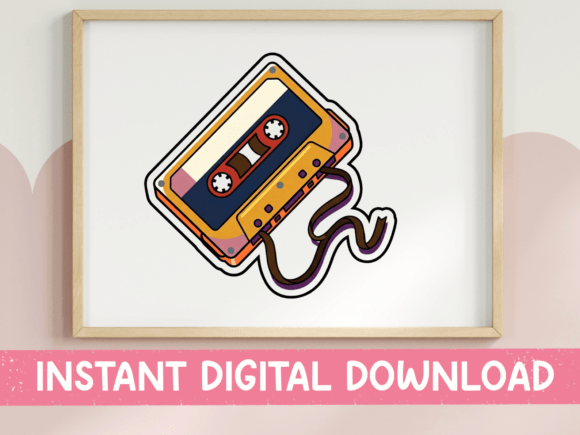
The core concept here is immediate: analog warmth meets modern craft. The illustration features a diagonal cassette tape rendered in dark navy and gold with striking red accents. For those of us building brands around vintage vibes, music culture, or handmade authenticity, this visual language speaks directly to our audience. But does it work as an actual embroidery project? Let’s break down how this design performs when you move from screen to hoop.
First Impressions and Visual Personality
The moment you load the file, the diagonal orientation stands out. In the world of T-Shirt Designs and general apparel decoration, diagonal layouts often feel more dynamic than straight-on center prints. They suggest movement, which fits perfectly with the "unraveled" theme of the title. The color palette—navy, gold, and red—is classic and high-contrast. This is crucial for embroidery because unlike printing, where ink sits on top of the fiber, embroidery relies on texture and light reflection. Gold thread, in particular, can be tricky; if the density is too low, it looks patchy. If it is too high, the fabric puckers.
This design feels like it belongs in the hands of a creative entrepreneur who wants their products to tell a story. It is not merely decorative; it is thematic. Whether you are targeting the Etsy seller looking for unique personalized gifts or the small business owner creating boutique branding, this asset provides a strong focal point. It evokes a sense of nostalgia without being overly cluttered, leaving room for the viewer’s eye to rest on the details rather than getting lost in noise.
Real-World Application: From Tote Bags to Tech Accessories
Let’s talk about practical use cases. Imagine you are preparing inventory for a craft fair or updating your online shop. This design shines brightly on structured items. A tote bag design featuring this cassette tape is an instant winner. The sturdy cotton canvas of a tote bag provides the perfect stabilizer for the potential density of the fill stitches. When a customer picks up a bag with this embroidered detail, they are buying into a lifestyle—the love of music, the appreciation of physical media, and the value of handmade goods.
Similarly, consider its application on a heavy-weight sweatshirt. The diagonal placement across the chest or even centered on the back creates a bold statement piece. The contrast of the gold thread against a navy or black sweatshirt fabric elevates the perceived value of the garment. It transforms a basic blank into a premium custom apparel item. For the handmade product maker, this is about increasing the margin. You are not selling a t-shirt; you are selling a curated experience wrapped in quality stitching.
It also works surprisingly well for smaller accessories. An embroidered patch version of this design could serve as a badge on a denim jacket or a backpack. Even as a small accent on a kitchen towel or a tea towel, the graphic holds its own. The clean lines of the cassette shape ensure that even at a smaller scale, the subject remains recognizable. This versatility makes it a valuable addition to any digital embroidery file library.
Where Caution Is Required
No design is universal, and Retro Cassette Tape Unraveled Design is no exception. There are specific scenarios where this file might struggle. First, avoid using this on highly textured fabrics like chunky knits or bouclé. The intricate details of the cassette buttons and labels will get swallowed by the fabric’s surface. Thin or stretchy fabrics, such as lightweight jersey or rayon blends, pose another risk. Without proper stabilization, the tension required for the fill stitches may cause the fabric to pucker, ruining the clean lines of the gold sections.
Small hoop sizes are also a consideration. While the design might fit technically in a 4x4 hoop, cramming this level of detail into such a small area can compromise clarity. The tiny elements, such as the text on the cassette label or the small mechanical parts, may become muddy blobs rather than distinct features. Furthermore, curved surfaces like caps or hats require careful digitizing. If the underlying pathing is not optimized for curvature, the diagonal tape might look distorted or warped when stitched onto the front panel of a hat.
Technical Execution and Designer Notes
Before committing to a production run, there are several steps every serious craft business owner should take. Start by testing the design on scrap fabric that matches your final product in weight and weave. This allows you to assess the stitch density and see if the gold thread lays flat or knots up. Pay close attention to the thread colors; ensure that the red accents pop sufficiently against the navy background. Sometimes, what looks good on a monitor translates poorly in thread due to differences in reflectivity.
Inspect the small details closely. Look for areas where satin stitch transitions into fill stitch. These transition points are often where errors occur, leading to loose threads or uneven coverage. It is also wise to view the design in a black-and-white mockup. This helps you evaluate the contrast and balance of the shapes independent of color, ensuring the composition is strong on its own merits. Confirm the recommended hoop size provided by the creator, and stick to it. Deviating from the intended dimensions can alter the stitch count and tension significantly.
Stabilizer selection is non-negotiable. For a design with solid blocks of color, a cut-away stabilizer is usually best for durability, especially for items that will be washed frequently, like aprons or baby clothes. If you are working on a holiday embroidery project meant to last years, proper stabilization ensures the integrity of the finished product.
Final Verdict on Value and Engagement
In the crowded marketplace of design assets, standing out requires more than just a pretty picture. It requires reliability and emotional resonance. Retro Cassette Tape Unraveled Design delivers on both fronts. It offers a high degree of recognition, tapping into a universal love for music history, while providing the professional finish that builds customer trust. When a buyer sees crisp gold stitching and clear definition in the navy areas, they perceive higher quality.
For the commercial embroidery artist, this design is a safe bet for broad appeal. It fits seamlessly into collections focused on retro themes, music festivals, or vintage-inspired fashion. It encourages engagement because it invites conversation. People notice cassettes. They remember them. And when they see one meticulously recreated in thread, they appreciate the skill involved.
However, always verify the licensing terms before selling finished items. Ensure you have the right to use the Grapics for commercial purposes, whether you are listing on Etsy, running a local boutique, or fulfilling corporate orders. By doing your homework on the technical side—testing fabrics, checking densities, and choosing the right stabilizer—you can turn this design into a standout small shop product that drives sales and builds your reputation as a detail-oriented maker.
In summary, this is a robust, visually appealing design that rewards careful execution. It is ideal for makers who want to blend nostalgia with high-quality craftsmanship. If you handle it with respect for the material and the machine, Retro Cassette Tape Unraveled Design will serve you well in your next embroidery project.