No Time for Toxic People Shirt Design
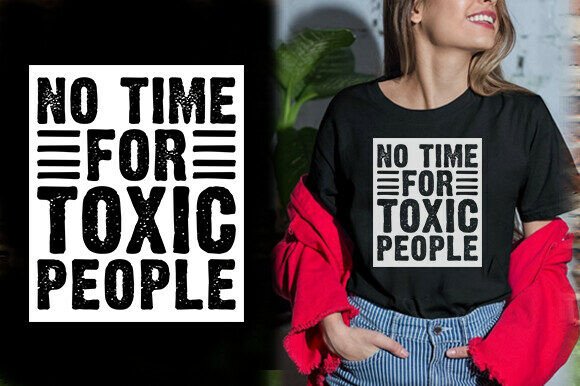
As a designer who has spent years digitizing and stitching, I don’t just look at the vector; I look at the stitch path. When I pulled up NO TIME for TOXIC PEOPLE TSHIRT DESIGN, my first thought wasn’t about the slogan itself—though it is certainly bold—but about how this graphic translates from a screen to fabric. In the world of custom apparel and boutique merchandise, typography-based designs are everywhere. The challenge isn’t finding a quote; it’s finding one that holds up under the needle without losing its punch.
This piece falls squarely into the T-Shirt Designs category with a strong Graphics focus. It targets the couple’s market, positioning itself as a top funny wife husband couple t-shirt design. But does it work as an embroidery file? Let’s break down the practical reality of using this asset in your next embroidery project.
The First Impression: Mood and Layout
The immediate visual personality of NO TIME for TOXIC PEOPLE TSHIRT DESIGN is unapologetic. It screams confidence. For a designer, this is valuable because it gives you a clear direction. You aren’t guessing what the customer wants; they want something that makes a statement. The layout feels balanced, suggesting a central placement on a garment or perhaps a pocket-size detail on a tote bag.
When I evaluate a design like this, I’m looking at the negative space. Does the text breathe? Yes. This breathing room is crucial for machine embroidery. If the elements were too cramped, we would run into issues with thread breaks and tangled needles. As a matching couple shirt concept, the symmetry here works well. It suggests that two versions could be created easily—one for him, one for her—while maintaining brand consistency across a pair of products.
Real-World Application: Where This Design Shines
I recently had a client ask for a gift set for a married couple who had been through a rough patch and were now celebrating their renewed commitment with a bit of humor. They wanted something wearable but not overly sentimental. NO TIME for TOXIC PEOPLE TSHIRT DESIGN fit that bill perfectly. Here is how I see this design performing in specific scenarios:
- Custom Apparel and Sweatshirts: This is the obvious choice. The bold nature of the text stands up well against the heavy texture of cotton blends often found in sweatshirts. It reads clearly from a distance, which is key for craft fair visibility.
- Tote Bag Design: A canvas tote is a staple for any Etsy seller. The durability of canvas handles the stitch density well. Placing this on a tote bag creates a "handmade product" vibe that resonates with buyers looking for personalized gifts.
- Embroidered Patch: Converting this into a detachable patch adds versatility. Customers can slap it on denim jackets or backpacks. It transforms the digital embroidery file into a tangible accessory.
- Baby Embroidery: Surprisingly, this could work for a nursery decor item or a baby blanket, provided the font size is adjusted. It offers a modern, sassy aesthetic for parents who prefer humor over traditional pastels.
In each of these cases, the design elevates the perceived value. It moves beyond a generic print and becomes a finished product that feels curated and professional.
Technical Considerations and Stitch Quality
Not all graphics are created equal when it comes to the hoop. With NO TIME for TOXIC PEOPLE TSHIRT DESIGN, you need to pay attention to the stitch types. Typography-heavy designs often rely heavily on satin stitch for outlines and fill stitch for block letters.
If the lettering is dense, you risk puckering on lightweight fabrics. This is why checking your stabilizer choice is non-negotiable. For a custom apparel project, a cut-away stabilizer is usually best to maintain structure over time, especially if the item will be washed frequently. However, if you are working on a kitchen towel or a lighter tea towel, you might get away with a tear-away, but you must test the tension first.
I also recommend inspecting the small details. If the design includes tiny decorative accents or thin lines, ensure your machine can handle them. Tiny running stitch elements can disappear into the fabric nap if the thread colors don’t have enough contrast. Always check your design in black and white mockups to ensure legibility before committing to expensive thread spools.
Where to Use This Design Carefully
While this design is versatile, it is not a universal fit. There are certain contexts where NO TIME for TOXIC PEOPLE TSHIRT DESIGN might struggle:
- Small Hoop Sizes: If you try to cram this entire graphic into a 4x4 inch hoop, the text may become too small to read effectively. Embroidery loses some sharpness compared to screen printing. Keep the size generous.
- Stretchy Fabrics: Thin jersey or spandex blends can distort under the pressure of the needle. Without proper hooping technique and stabilizer support, the design may warp, ruining the clean lines of the text.
- Curved Surfaces: Attempting to embroider this flat graphic onto a curved surface like a cap or a hat crown requires advanced digitizing skills. The text needs to be warped to follow the curve, or it will look disjointed.
- Dense Stitch Areas: If the original graphic has large blocks of solid color, ensure the digitizer has added adequate pull compensation. Otherwise, the fabric will pucker excessively, making the final product look cheap rather than handmade.
Impact on Brand and Customer Trust
For the Etsy seller or small shop owner, the quality of your embroidery speaks volumes. A poorly executed design can lead to returns and bad reviews. Conversely, a well-stitched NO TIME for TOXIC PEOPLE TSHIRT DESIGN builds trust. It shows the buyer that you care about the details.
The theme of the design—setting boundaries and prioritizing mental health—resonates deeply with modern consumers. It is not just a shirt; it is a conversation starter. This emotional connection increases the likelihood of repeat purchases and word-of-mouth referrals. When customers see a high-quality embroidered patch or a crisp sweatshirt embroidery job, they associate that quality with your entire brand.
Furthermore, the versatility of this design allows for cross-selling. You can offer the same design on a tote bag design, a pillow cover, and a holiday gift set. This maximizes the return on your initial investment in the digital embroidery file.
Practical Designer Notes for Success
Before you upload this to your production queue, follow these steps to ensure a smooth workflow:
- Test on Scrap Fabric: Never run a full production batch without testing on the exact fabric you plan to sell. Check how the thread colors interact with the material.
- Confirm Licensing: This is critical. Ensure you have the right to use NO TIME for TOXIC PEOPLE TSHIRT DESIGN for commercial purposes. Many designers sell personal-use licenses only. Selling finished items without proper rights can lead to legal issues.
- Review Stitch Density: Look at the digitized file. Is the density appropriate for the fabric weight? Too much density on light fabric causes stiffness; too little causes transparency.
- Compare Backgrounds: Test the design on both light and dark fabric backgrounds. Some thread colors pop better on contrasting backgrounds. Adjust your palette accordingly.
- Check Small Details: Zoom in on the digitization. Are there any unnecessary jumps or trims that could cause snags?
Final Verdict
NO TIME for TOXIC PEOPLE TSHIRT DESIGN is a strong contender for any designer looking to add edge and humor to their catalog. It performs exceptionally well as a machine embroidery design for apparel, bags, and home decor. Its strength lies in its clarity and relatable message.
However, success depends on execution. By paying attention to hoop size, stabilizer choice, and fabric compatibility, you can turn this graphic into a best-selling item. Whether you are creating a personalized gift for a friend or building a robust craft business inventory, this design offers the potential for high customer engagement and satisfaction. Just remember: always test first, license properly, and let the quality of your stitching do the talking.