Caffeine and Panic Mental Health Anxiety
As a designer who spends half the day staring at stitch files and the other half troubleshooting tension issues on vintage machines, I have learned to trust my gut before I ever thread the needle. When a new design lands in my inbox, I don’t just look at the preview image; I simulate the finish. I think about how it will sit on a curved cap, how it will hold up after twenty washes, and whether it resonates with the customer holding the finished product. Today, I am putting Caffeine and Panic Mental Health Anxiety through that same rigorous mental stress test. This is not just another graphic slapped onto a PNG file; it is a statement piece that demands careful consideration regarding placement, fabric choice, and overall execution.
First Impressions: Mood and Visual Personality
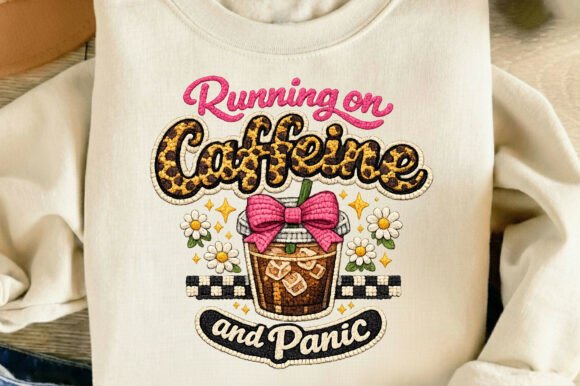
The moment you load this file, the mood is unmistakable. The title itself—Caffeine and Panic Mental Health Anxiety—carries a heavy emotional weight. It taps into a very specific, relatable modern experience: the jittery energy of trying to function while overwhelmed. Visually, this translates into a design that likely balances boldness with chaotic energy. For an embroidery designer, this means paying close attention to how those conflicting emotions are represented in the stitch work. Does the design use jagged lines to mimic anxiety? Is there a sense of movement or stillness?
In terms of layout, designs with this kind of thematic depth often rely on strong typography mixed with illustrative elements. If the text is central, it needs to be legible even when stitched in dense satin. If there are graphical accents, they must complement rather than clutter the message. My initial assessment is that this design has high "shelf appeal" for the right audience. It speaks directly to the wearer’s identity. It is not subtle, which is exactly what makes it effective for custom apparel. It says, "I see you," and that connection is powerful for handmade products where personalization matters.
Real-World Application: Where This Design Shines
Let’s talk about practical use cases. Imagine you are preparing a batch of items for a local craft fair or an Etsy shop focused on mental health awareness. This design fits perfectly into several categories. First, consider the tote bag. A canvas tote embroidered with this phrase becomes more than a bag; it becomes a conversation starter. The sturdy fabric can handle the density of the stitches without puckering, and the casual nature of a tote allows for a slightly larger, more detailed placement.
Another excellent candidate is the sweatshirt. There is something inherently cozy yet rebellious about wearing a hoodie that openly acknowledges anxiety and caffeine reliance. Embroidered sweatshirts have a premium feel compared to screen prints. The texture of the thread adds dimension that flat graphics lack. When a customer buys this as a personalized gift, the tactile quality of the embroidery elevates the perceived value. It feels like a keepsake, not just merchandise.
We should also look at aprons and kitchen towels. For the home cook who relies on coffee to get through the day, this design is humorous and relatable. Placing it on a high-quality cotton apron adds a touch of personality to the kitchen. Similarly, pillow covers or throw blankets can feature smaller, simplified versions of the design for a softer, nursery-friendly aesthetic. The versatility here is high, provided you adjust the scale appropriately for each embroidery project.
Technical Challenges and Risk Areas
However, no design is without its pitfalls. Caffeine and Panic Mental Health Anxiety requires strategic planning to avoid common embroidery disasters. One of the biggest risks lies in small hoop sizes. If you attempt to squeeze too much detail into a 4x4 inch area, the text may become illegible, and fine details could merge into a muddy blob. Always review the stitch density carefully. If the design is dense, ensure your stabilizer is robust enough to support it, especially on stretchy fabrics like jersey knits used in t-shirts.
Fabric choice is critical. While this design looks great on structured cottons, it may struggle on thin or highly textured materials. On a thin polyester blend, the backside tension might show through to the front, ruining the clean look. On a heavily textured boucle fabric, the needle may skip stitches, leading to an uneven finish. Additionally, be cautious with dark fabric. If the design relies on light-colored threads for contrast, ensure the thread count is sufficient to cover the dark background completely. Otherwise, the underlying fabric color will bleed through, dulling the visual impact.
Another area requiring care is curved surfaces like caps or hats. While possible, embroidering complex text on a curved brim or crown requires specialized hoops and significant skill. If the lettering is intricate, it may distort around the curve, making the message harder to read. In such cases, simplifying the design or choosing a flatter surface, like the front panel of a baseball cap, is advisable.
Strategic Notes for the Professional Designer
Before committing to production, I always recommend a few non-negotiable steps. First, test the design on scrap fabric that matches your final product in weight and texture. This reveals potential issues with puckering, thread breakage, or registration errors. Second, inspect the thread colors. Do they provide enough contrast against your chosen fabric? Sometimes, a digital preview looks vibrant, but in real life, the colors appear washed out. Testing in black and white mockups can help you assess the contrast levels objectively.
Furthermore, consider the commercial embroidery aspect. Are you selling these items, or are they gifts? If you are an Etsy seller or running a craft business, you must verify the licensing terms of the original Caffeine and Panic Mental Health Anxiety file. Many digital downloads come with restrictions on commercial use. Ensure you have the right to sell finished products bearing this design to avoid legal complications. Also, check if the file includes different formats, such as applique design options or multiple hoop size variations, which can expand your product range.
Finally, think about the brand consistency of your shop. Does this edgy, mental-health-focused design align with your overall aesthetic? If your brand is known for soft, pastel, minimalist styles, this design might stand out too sharply. However, if your niche is bold, relatable, and conversational, it fits seamlessly. By treating Caffeine and Panic Mental Health Anxiety not just as a graphic but as a functional component of your product line, you ensure higher customer satisfaction and fewer returns due to quality issues.
Final Verdict
This design is a potent tool for any maker looking to connect with customers on an emotional level. It works best on structured garments like tote bags, sweatshirts, and aprons, where the fabric can support the stitch density and the message can be displayed clearly. With careful testing of thread contrasts, stabilizers, and hoop sizes, it can elevate your handmade product offerings significantly. Just remember: good embroidery is invisible in its construction but bold in its expression. Let Caffeine and Panic Mental Health Anxiety do the talking, but let your technical skills ensure it is heard clearly.