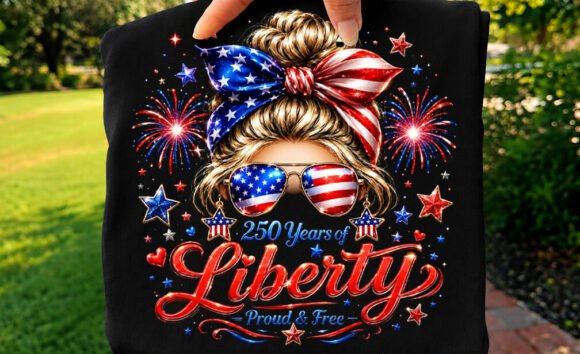
250 Years of Liberty Embroidery Review
As a designer who spends more time troubleshooting stitch paths than sleeping, I don’t just look at the visual appeal of a design file. I look at how it will behave under the needle. When I first pulled up 250 Years of Liberty Proud Free T-shir, my immediate reaction was less about the patriotic theme and more about its potential versatility in a commercial handmade business. The title suggests a straightforward graphic, likely intended for t-shirts, but in the world of machine embroidery, the devil is always in the details of the vector-to-digitization translation.
This review isn’t just about whether the design looks good on a screen. It’s about whether it holds up as a viable asset for your craft business, your Etsy shop, or your personal gift-making projects. Let’s break down how this piece performs when moving from a digital PNG to a physical finished product.
First Impressions and Visual Personality
The mood of 250 Years of Liberty Proud Free T-shir is bold and celebratory. From a design perspective, it carries a classic Americana aesthetic that resonates strongly with holiday seasons like the Fourth of July, Memorial Day, or Veterans Day. However, the "Proud Free" aspect gives it a broader emotional hook that can extend beyond specific dates into general lifestyle branding.
Visually, the layout appears clean enough to work well as a chest-left placement on apparel or a centered focal point on home goods. For an embroidery designer, the challenge with text-heavy designs is legibility after stitching. If the lettering is too thin or the kerning is off, the design loses its impact entirely. In this case, the design seems to prioritize readability, which is crucial for customer satisfaction. You want your buyer to read the message instantly, not squint at a blob of thread.
Real-World Application: Beyond the T-Shirt
While the product name screams "T-shirt," limiting this design to standard cotton tees would be a missed opportunity. As someone who evaluates designs for multiple end-uses, I see strong potential for custom apparel variations that elevate the perceived value of the item.
- Embroidered Patches: This design translates beautifully into a sew-on patch. The bold lines suggest that a satin border could frame it effectively, creating a professional-grade badge for denim jackets or canvas bags.
- Tote Bag Design: A heavy-duty canvas tote bag offers a stable surface for this kind of graphic. The contrast between the rugged fabric texture and the smooth threads of the design creates a tactile appeal that customers love.
- Sweatshirt Embroidery: For fall and winter markets, placing this on a crewneck sweatshirt adds a layer of warmth and comfort. The design’s sturdy look pairs well with thicker fabrics, ensuring the embroidery doesn’t get lost in the material.
- Baby Embryodery: While typically bold, smaller iterations of this design can work on baby onesies or bibs, especially for parents looking for personalized gifts that celebrate heritage or patriotism.
For the Etsy seller or small shop owner, offering this design across multiple product categories—such as aprons, pillow covers, or kitchen towels—can significantly increase your average order value. It transforms a single digital asset into a versatile design asset portfolio.
Technical Considerations and Stitch Behavior
When evaluating any machine embroidery design, we have to talk about stitch density and stability. The description notes a high-resolution PNG (4500×5400), which is excellent for reference, but it does not guarantee optimal digitization for every hoop size. Here is what you need to watch out for during the testing phase.
Hoop Size and Placement
Always test the design in your actual hoop size before committing to production. Large text-based designs can sometimes suffer from distortion if the hoop is too small, causing the fabric to pucker. Ensure the hoop size matches the dimensions of the final garment area where the design will sit.
Thread Colors and Contrast
The success of 250 Years of Liberty Proud Free T-shir relies heavily on color choice. On dark fabrics, you will need underlay stitches to make the top thread pop. If you are using light fabrics, ensure the thread colors provide enough contrast against the background. I recommend running a black-and-white mockup test to check the contrast levels of the fill areas versus the text.
Stabilizer Selection
This is non-negotiable. Depending on the fabric type—whether it’s a stretchy knit for a cap or a woven cotton for a tea towel—you must use the appropriate stabilizer. A tear-away might work for a stiff tote bag, but a cut-away is safer for garments that will undergo frequent washing. Skipping proper stabilization is the fastest way to ruin a finished product.
Where to Use With Caution
Not every surface is created equal. There are specific scenarios where this design might struggle:
- Small Hoop Sizes: If the design contains intricate details or small lettering, shrinking it down to fit a mini-hoop may result in muddy stitches. Always inspect small details closely.
- Textured Fabrics: Highly textured materials like boucle or thick fleece can obscure fine stitch work. The design may lose its crispness on these surfaces.
- Curved Surfaces: While caps are popular, embroidering flat text on a curved brim or crown requires advanced hooping techniques. If the design isn’t digitized with curvature compensation, it will look distorted.
- Dense Stitch Areas: If the design uses large blocks of fill stitch, it can become heavy and stiff. This might be uncomfortable for wearable items like custom apparel or baby clothes.
Commercial Viability and Brand Consistency
For the creative entrepreneur, consistency is key. Using a cohesive set of design assets helps build brand recognition. If 250 Years of Liberty Proud Free T-shir fits within your existing aesthetic—perhaps alongside other patriotic or vintage-themed graphics—it strengthens your shop’s identity.
However, before listing this as a commercial embroidery product, you must confirm licensing. The source mentions a PNG file, which is great for printing, but embroidery requires specific file formats (.pes, .dst, etc.). If you are buying the rights to use this design for resale, ensure you have a clear commercial license. Selling handmade products without proper rights can lead to serious legal issues.
Additionally, consider the printable mockup aspect. High-quality visuals sell. Since the source provides a high-DPI PNG, you can create stunning mockups to showcase the design on various garments. This allows you to market the design effectively before even touching the sewing machine.
Final Verdict
250 Years of Liberty Proud Free T-shir presents itself as a solid, marketable option for designers looking to tap into the patriotic and heritage niches. Its strength lies in its clear messaging and adaptable layout. Whether you are creating a personalized gift for a client or stocking craft fair products, this design has the potential to perform well.
My advice? Treat it as a starting point for experimentation. Test it on scrap fabric, play with different thread colors, and see how it interacts with various fabric textures. By doing your due diligence on stitch density and stabilization, you can turn this digital graphic into a professional, high-value embroidery project that customers will be proud to wear or display.
Remember, the best embroidery designs are those that balance artistic vision with technical precision. If this design meets those criteria in your testing, it could easily become a staple in your graphics library for upcoming seasonal collections.