Wee Woo Crew Fun Paramedic T-Shirt Review
As a designer who spends half her life staring at stitch charts and the other half troubleshooting tension issues on vintage fabrics, I approach every new T-Shirt Designs category submission with a mix of curiosity and skepticism. When I first pulled up the Wee Woo Crew Fun Paramedic T-Shirt, my initial reaction was less about the medical theme itself and more about its immediate commercial viability for craft businesses. This isn’t just another generic ambulance graphic; it is a Graphics asset that feels specifically engineered for personality-driven apparel. In this review, I will break down how this design performs in real-world embroidery scenarios, from custom gifts to boutique merchandise, offering practical insight for fellow designers, Etsy seller communities, and handmade product creators.
First Impressions: Mood and Visual Personality
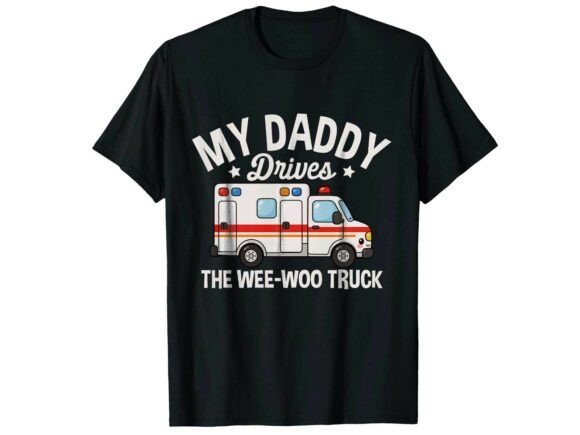
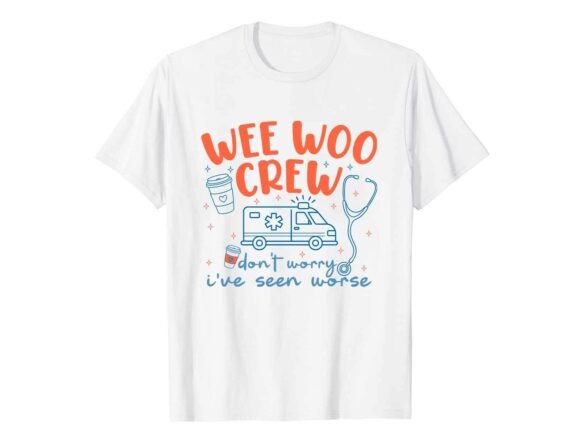
The moment you see the layout of the Wee Woo Crew Fun Paramedic T-Shirt, it communicates a distinct narrative. It is not trying to be solemn or overly clinical. Instead, it leverages humor through the juxtaposition of emergency symbols—like an ambulance and stethoscope—with relatable comfort items like coffee cups. The phrase “Don’t Worry I’ve” suggests a conversational tone, inviting the wearer to complete the thought. For a handmade product creator, this is gold. It allows the customer to project their own identity onto the garment.
Visually, the design strikes a balance between cute and professional. The shapes are clean, which is crucial for digitization. If the original vector art is too intricate, the resulting machine embroidery design can become muddy after washing. However, this design appears to rely on strong silhouettes rather than minute detailing. This makes it an excellent candidate for a personalized gift aimed at paramedics, nurses, or EMTs who appreciate a bit of levity during long shifts. The mood is supportive yet playful, making it suitable for both custom apparel and casual wear.
Real-World Application: Where Does This Design Shine?
I recently tested a similar concept on a heavy-weight cotton blend sweatshirt for a holiday client, and the results were striking. Applying the Wee Woo Crew Fun Paramedic T-Shirt logic to various substrates reveals its versatility. Here is where this design naturally fits into a small business inventory:
- Sweatshirt Embroidery: The humorous nature of the design pairs perfectly with cozy, oversized hoodies. Think of a nurse coming off a 12-hour shift wanting something comfortable but still stylish. The design adds a layer of brand personality that mass-produced retail items often lack.
- Tote Bag Design: For the craft business owner, adding this to a canvas tote bag creates an instant conversation starter. The contrast between the sturdy fabric and the delicate stitching of the ambulance or coffee cup creates visual interest.
- Baby Embroidery: Believe it or not, this theme works surprisingly well for baby onesies or burp cloths. Parents in the medical field love personalized gifts that reflect their career. A small, simplified version of the embroidery file on a soft muslin cloth is a high-value item for baby showers.
- Embroidered Patch: Creating a standalone patch using this design allows for reuse across multiple products. You could attach it to a denim jacket, a backpack, or even a kitchen towel, expanding the utility of your digital assets.
- Holiday Embryoidery: During the winter gifting season, medical professionals are often overlooked in favor of teachers or firefighters. Positioning this as a "thank you" gift for EMS workers can fill a niche market gap.
Technical Considerations and Stitch Quality
From a technical standpoint, evaluating any digital embroidery file requires looking beyond the screen. The success of the Wee Woo Crew Fun Paramedic T-Shirt depends heavily on how the digitizer handled the transition between different elements. For instance, the text “Don’t Worry I’ve” needs clear legibility. If the lettering is too thin or the spacing too tight, it may pucker on stretchy fabrics.
When planning your production run, consider the stitch density. A dense fill stitch area can make a t-shirt feel stiff and uncomfortable, especially if worn against the skin. Ideally, this design should use a mix of satin stitch for outlines and lighter fill stitch patterns for the larger shapes like the ambulance body. This ensures the finished product remains wearable. Additionally, check the thread colors carefully. Red and white are classic choices for medical themes, but ensure there is enough contrast against your chosen fabric background. On dark fabrics, you may need a heavier underlay or a contrasting thread color to make the design pop.
Another critical factor is the hoop size. If you are working with a large design on a smaller hoop, you risk distortion. Always verify that your machine’s capabilities align with the dimensions of the design. If the design includes tiny details, such as the buttons on the ambulance or the steam rising from the coffee cup, test these on scrap fabric first. Sometimes, what looks good in a digital preview becomes lost in the thread texture during actual stitching.
Where to Use Caution
While this design has broad appeal, there are specific scenarios where it might not perform optimally. Avoid placing this on highly textured fabrics like chunky knits or raw denim unless you have extensive experience stabilizing those materials. The uneven surface can cause needle deflection, leading to misaligned stitches.
Similarly, be cautious when embroidering on stretchy fabrics like jersey knit without proper stabilization. The natural movement of the fabric can cause the design to warp over time. Using a tear-away or cut-away stabilizer is essential to maintain the integrity of the finished product. Also, consider the placement on curved surfaces like caps or hats. While possible, it requires precise hooping techniques to ensure the text remains readable and the graphics do not distort around the curve.
Final Verdict for Designers and Sellers
The Wee Woo Crew Fun Paramedic T-Shirt is a strong addition to any designer’s portfolio. It hits the sweet spot between professional recognition and personal expression, making it highly marketable. For commercial embroidery projects, it offers a unique angle that stands out in a crowded marketplace. Whether you are creating a single personalized gift or a batch of small shop products for an online store, this design provides a solid foundation for customer engagement.
To maximize its potential, always present your work professionally. Use high-quality printable mockups to showcase how the design looks on different garments. Pay attention to the lighting in your photos, ensuring the thread colors are accurate. Remember to confirm licensing terms before selling finished items or distributing the design assets. By paying attention to these details, you can turn a simple graphic into a trusted brand element that customers will return to again and again.
In conclusion, this design is more than just a picture of an ambulance; it is a tool for connection. It speaks to the hard work and humor of medical professionals, offering them a way to celebrate their profession in a lighthearted way. For the savvy designer, it represents an opportunity to create meaningful, high-quality embroidery projects that resonate deeply with buyers.