Retro Tech and Animal Collage in Halftone
As a designer who spends half my life staring at stitch density charts and the other half worrying about how a design will translate from screen to fabric, I approach every new digital asset with a healthy dose of skepticism. The market is flooded with clip art that looks great in PNG form but falls apart under the needle. That is why I take a closer look at Retro Tech and Animal Collage in Halftone. This isn’t just another generic graphic; it is a specific visual narrative that demands careful consideration before it hits the embroidery hoop.
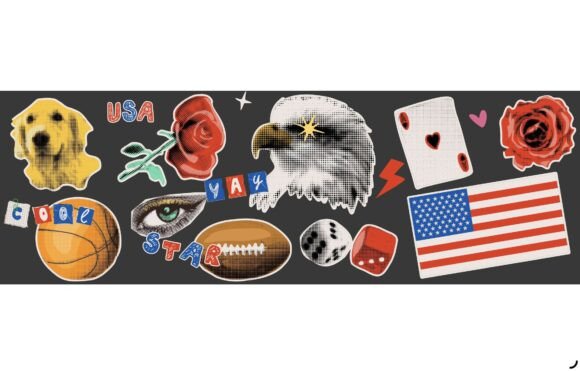
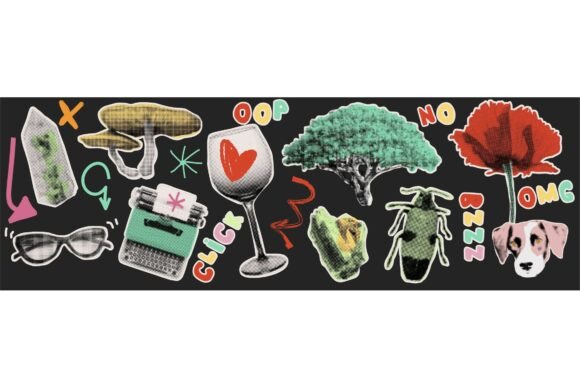
The premise here is charmingly eclectic. We are looking at a collage featuring silhouettes of dogs, vintage typewriters, and stylized lettering, all rendered in a halftone style. For those unfamiliar, halftone uses dots to create shading and texture, mimicking old print media. In the world of Illustrations and Graphics, this adds a layer of depth that flat colors often lack. But does it work as a machine embroidery design? Can it survive the tension of thread on fabric without turning into a muddy mess?
First Impressions: Mood and Visual Personality
When I first pulled up the source files for Retro Tech and Animal Collage in Halftone, the immediate takeaway was its strong retro aesthetic. It feels nostalgic, tapping into that mid-century modern vibe that is still incredibly popular in home decor and fashion. The combination of the typewriter and the dog silhouette suggests a lifestyle brand—perhaps something for a writer’s retreat, a cozy coffee shop, or a personalized gift for a pet lover who appreciates vintage tech.
The halftone effect is the star of the show. In digital terms, it provides excellent contrast. However, in embroidery, halftones can be tricky. If the dots are too small or the spacing too tight, they can merge together during stitching, losing their distinct character. From what I can see in the vector organization, the elements are neatly separated, which is a huge plus. This allows an embroiderer to treat the typewriter, the dog, and the text as individual components rather than one giant, unmanageable blob. This modularity is crucial for creating a high-quality embroidery project that feels intentional rather than rushed.
Real-World Application: Where Does This Fit?
I like to imagine where this design would live in a real small business inventory. Let’s say you are an Etsy seller preparing for the holiday season. You want to create a line of personalized gifts that feel handmade but have a polished, professional finish. Retro Tech and Animal Collage in Halftone fits perfectly into a few specific categories.
Consider a custom embroidered tote bag design. A canvas tote is the perfect canvas for this kind of artwork. The sturdy fabric can handle the weight of the stitches, and the casual nature of a tote bag matches the relaxed, vintage vibe of the design. Imagine a cream-colored tote with the typewriter and dog stitched in muted navy and charcoal threads, using the halftone pattern to add texture to the background. It screams "creative entrepreneur" and would appeal to anyone who values both aesthetics and utility.
Another strong contender is the sweatshirt embroidery market. Think of a heather grey crewneck sweatshirt. Placing a smaller, centered version of the collage on the chest area creates a subtle, sophisticated look. It’s not loud or aggressive; it’s conversational. For small shop product owners, this design offers versatility. It works as a standalone statement piece or as part of a larger collection focused on retro themes.
It also has potential in the nursery and baby sector. While the typewriter might seem out of place in a traditional nursery, the dog silhouette is universally loved. Combined with soft, pastel thread colors, the halftone effect can create a gentle, textured backdrop that is visually interesting without being overwhelming. This makes it a viable option for baby embroidery items like muslin blankets or hooded towels, provided the scale is adjusted appropriately.
Technical Considerations and Stitch Behavior
Now, let’s talk about the mechanics. As an experienced reviewer, I cannot stress enough the importance of testing. Before committing to a full production run, you must test the design on scrap fabric. Here is why: the halftone style relies on negative space and dot placement. If your stitch density is too high, the dots will fill in and become solid shapes, losing the retro print effect. Conversely, if the density is too low, the fabric might pucker or the image might look sparse.
Pay close attention to the thread colors. Halftones work best when there is sufficient contrast between the thread and the base fabric. On dark fabrics, you will need a heavier underlay or a different color strategy to ensure the lighter halftone dots pop. On light fabrics, you might find that the white or light grey dots blend in too much, requiring a darker thread choice to maintain visibility.
Another critical factor is the hoop size. Because the design includes multiple elements (dog, typewriter, text), you need to ensure your hoop is large enough to accommodate the entire layout without awkward re-hooping. Re-hooping complex collages can lead to alignment issues, especially if you are using applique design techniques or combining different stitch types like satin stitch for outlines and fill stitch for the bodies.
Also, consider the fabric texture. This design shines on smooth surfaces like cotton twill, denim, or stable polyester blends. Avoid using it on highly textured fabrics like bouclé or thick terry cloth unless you are prepared for significant distortion. The fine details of the halftone dots will get lost in the weave, resulting in a blurry, indistinct final product.
Where to Use Caution
While this design is versatile, there are places where it should be used carefully. Small hoop sizes are risky. Trying to cram a detailed collage into a 4x4 inch hoop will force you to reduce the detail level, potentially making the typewriter keys or the dog’s features unrecognizable. Similarly, avoid placing this on curved surfaces like caps or hats unless you have a specialized cap frame and experience with curve management. The straight lines of the typewriter and text may distort unpleasantly on a curved brim.
Furthermore, be mindful of thin or stretchy fabrics. Without proper stabilizer support, these materials can pucker around the dense areas of the collage. Always use a cut-away stabilizer for stretchy knits and a tear-away or wash-away for wovens, depending on the final garment’s needs.
Final Verdict for Creators and Sellers
Retro Tech and Animal Collage in Halftone is more than just a pretty picture; it is a functional digital embroidery file that offers genuine value for creative professionals. Its strength lies in its thematic coherence and its adaptability across various product types, from custom apparel to personalized gifts.
For the craft business owner, this design provides a ready-made solution for creating cohesive collections. Whether you are designing a set of kitchen towels featuring the typewriter motif or a series of embroidered patches for jackets, the halftone style adds a premium feel that customers are willing to pay for. It elevates a simple handmade product into a piece of wearable art.
However, success depends on execution. Do not simply upload and stitch. Take the time to adjust the scale, choose the right threads, and test on your specific materials. Review the licensing terms to ensure you are compliant if you plan to sell finished items. By treating this design with the respect it deserves, you can create stunning finished products that stand out in a crowded marketplace.
In summary, if you are looking for a design that balances nostalgia with modern craft trends, this collage is a strong candidate. It is practical, visually engaging, and ripe for creative interpretation. Just remember: the magic happens in the details, so keep your needles sharp and your stabilizer handy.